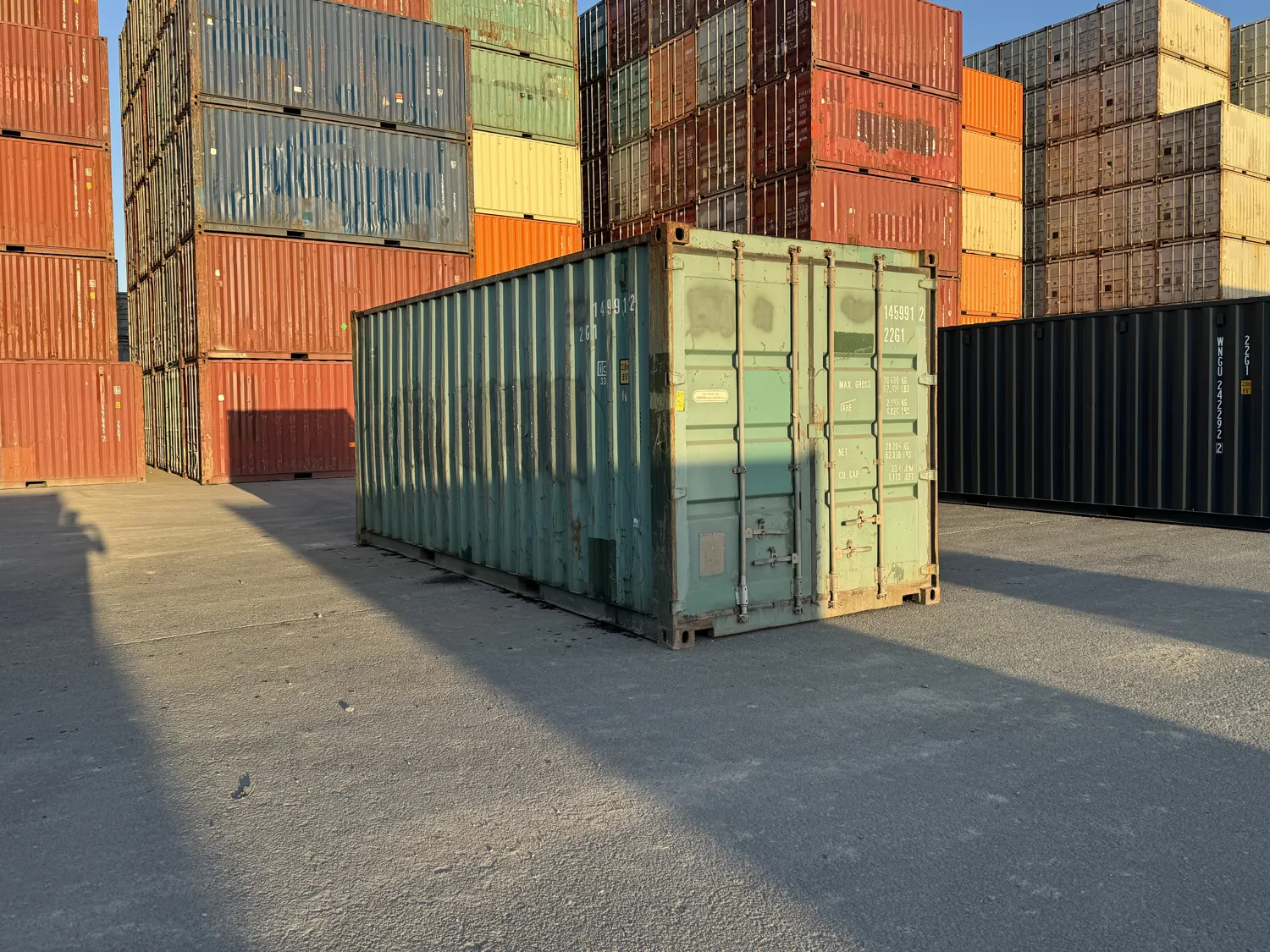
Beachside Rockingham: sea spray and wind
Safety Bay, Waikiki, Warnbro, Port Kennedy and the Rockingham foreshore all catch a strong afternoon breeze straight off the water. That wind carries salt and fine sand, and after a summer of it the exposed side of a container can look dull and dusty. Paint is the steel's only armour, so it pays to keep it intact: rinse the box down with fresh water now and then, pay attention to the roof and the door end, and touch up any chips promptly.
Positioning helps as much as maintenance. Tuck the container behind the house or a fence line where it's sheltered from the westerly, and face the doors away from the wind so sand isn't blasted into the seals every afternoon. Doors swinging in a strong gust can also do damage, so get into the habit of latching them open or closed rather than leaving them loose.
Baldivis and the new estates
Baldivis has grown from paddocks into one of the busiest family suburbs in the metro area, and many homes sit on lots where every square metre is spoken for. Before you order, walk the route the truck will take: the crossover, the verge, the side gate and the spot itself. A 20ft container is about six metres long, so a 10ft is often the sensible fit on a compact lot. Some developers' estates carry covenants limiting what can sit in view of the street, and the City of Rockingham has its own rules, so check both.
New estates also have fresh, loose fill. Sand that hasn't settled will let a container's corners sink unevenly, which twists the frame just enough to make the doors stiff. Firm, level pads under each corner — compacted limestone, pavers or treated sleepers — keep it true.
Kwinana: trades, workshops and industrial dust
Around the Kwinana industrial area and the light industrial estates nearby, containers do a lot of work as tool stores, parts rooms and secure lockups. Dust is the everyday enemy there. It settles on the roof, gets into door seals and finds its way onto anything stored near the entrance. Keeping the seals clean and supple, sweeping the roof, and storing sensitive stock in sealed tubs well back from the doors all help.
If you'll be working inside, a high cube gives an extra 30cm of headroom that makes a real difference to comfort in summer. For chemicals, solvents or fuels, look at a dangerous goods unit instead of a standard box.
Heat, humidity and keeping the inside dry
Rockingham summers are long and bright, and a container sitting in full sun will heat up quickly. A lighter colour, a shade sail or a spot on the shady side of the house makes a big difference to what's inside. In winter the problem flips: cool nights after mild, humid days can cause condensation under the roof. Vents let that moist air out, pallets lift goods off the floor, and a gap between boxes and walls lets air move.
Buy the right grade for the job. Cargo-worthy used containers and new single-trip containers are the ones we sell as wind and watertight. As-is units aren't sold watertight — they're fine for garden gear or scrap timber, not for furniture or anything that can mould. If you're packing up a house, our packing guide is worth a read.
Moving house and in-between storage
Rockingham sees a lot of households on the move, whether it's a family relocating for work, Defence families posted to or from HMAS Stirling on Garden Island, or people selling up and building in Baldivis. A container on the driveway lets you pack at your own pace and keeps furniture on your own block rather than in a storage unit across town.
Pack for the season you're in. In summer, keep candles, electronics and anything with glue away from the roof and the sunny wall. In winter, load on a dry day, use pallets and leave the vents clear. Load heavy items low and to the front, tie off against the lashing rings, and keep a walkway down one side so you can reach things later.
Truck access in the southern suburbs
A tilt-tray does most 10ft and 20ft deliveries; it needs a straight run, firm ground and room overhead. On narrow new-estate streets with cars parked either side, a side-loader or crane truck sometimes suits better. A 40ft takes a lot more space. Tell us about the street and the block and we'll match the vehicle.