Heat: the number one challenge
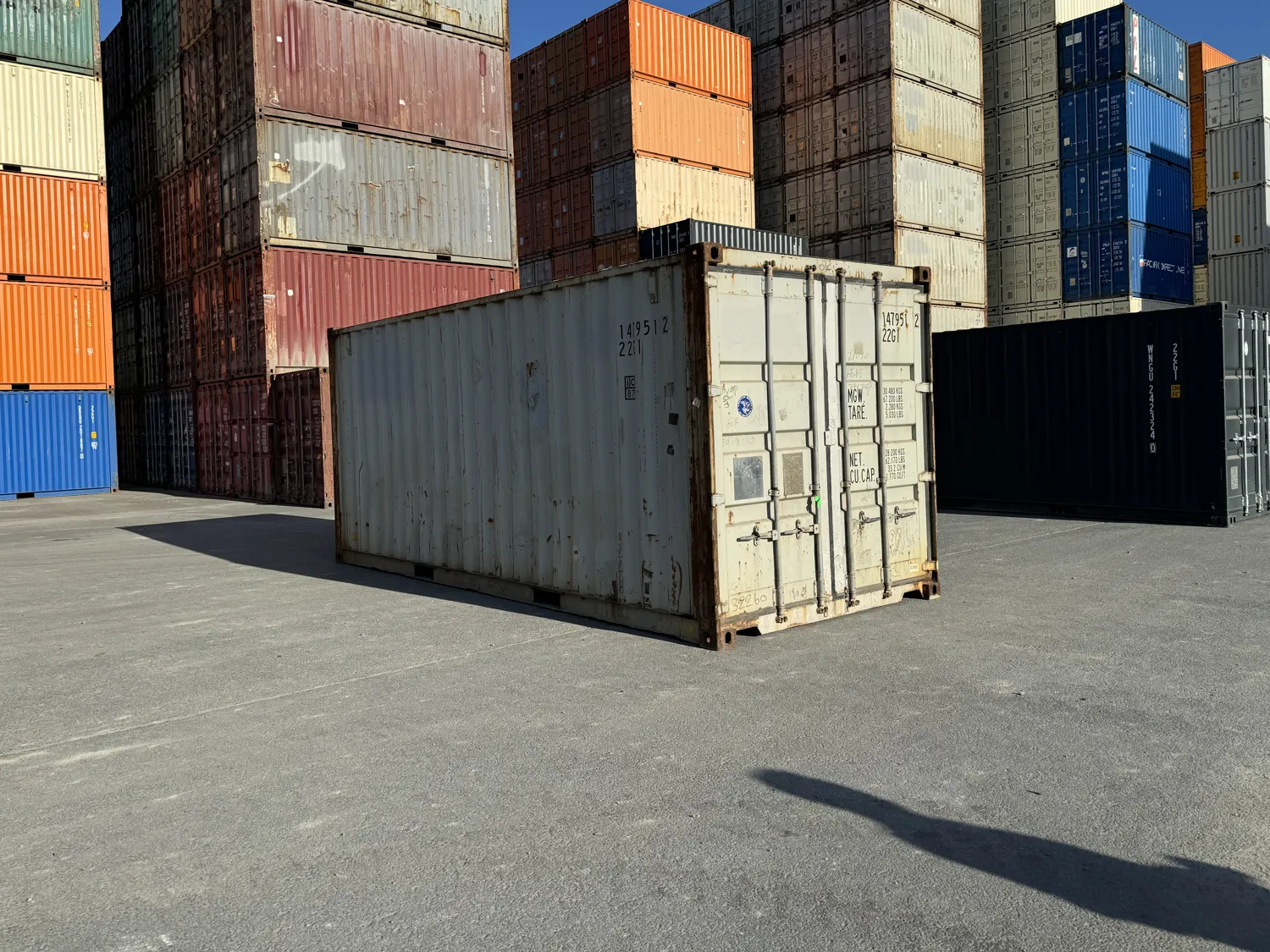
A container sitting in full Goldfields sun turns into a hot box. Steel conducts heat, and the air inside can get far hotter than the air outside. Anything sensitive — electronics, batteries, aerosol cans, paints, adhesives, plastics, medicines, food — needs to be kept somewhere else or protected. A lighter-coloured container reflects more heat than a dark one, and a shade structure over the top, with a gap for air to flow between the shade and the roof, makes a huge difference.
Vents are essential. Whirlybirds or passive vents let the hottest air escape from the top of the box, and a pair of vents at each end helps create a cross-flow. If you plan to work inside, a high cube gives the hot air somewhere to go above your head, and insulation lining is worth considering.
Cold nights and condensation
The desert climate brings a big drop in temperature after sunset. On a cold winter night the steel roof loses heat fast, and any moisture in the air inside condenses on the ceiling. It's the same 'container sweat' that affects coastal boxes, just caused by the temperature swing rather than humidity. Tools can rust and cardboard can go soft even though it hardly ever rains.
The answer is the same as elsewhere: ventilation, pallets to lift goods off the floor, space between your goods and the walls, and moisture absorbers if you're storing anything sensitive. Keep water containers, wet gear and anything damp out of the box.
Red dust: seals, doors and locks
Fine red dust is part of life in the Goldfields, and it gets into door seals, hinges and locks. Over time that grit wears the rubber and makes locking bars stiff. Keep the seals clean, wipe the dust off regularly, and grease the hinges and locking cams. A lockbox over the padlock keeps dust out of the lock itself, as well as making it harder to cut.
Place the container so the doors face away from the prevailing wind, and keep it level. A container out of square won't seal properly, and that's how dust gets in. Store sensitive stock in sealed tubs, well away from the doors.
Mining, prospecting and trade use
Mining contractors, prospectors, drillers, fitters and trade businesses around Kalgoorlie, Boulder and out towards Kambalda and Coolgardie use containers as tool stores, parts rooms, secure lockups and site storage. For fuels, oils, gas bottles and chemicals, a purpose-built dangerous goods container with ventilation and a spill sump floor is the right choice. Check the requirements for your site with your safety team.
For bulk storage or large equipment, a 40ft gives plenty of room if the site has space for the truck. For households, a 20ft is usually the right balance of space and access.
Household storage in Kalgoorlie and Boulder
For households around Kalgoorlie, Boulder, Lamington, Somerville and South Kalgoorlie, containers hold furniture, camping gear, spare fridges, tools and the odd project car. The heat is what catches people out. Photos, vinyl, candles, video game consoles, wine and anything with a battery shouldn't sit in a sun-baked steel box over summer. Keep those in the house and store the tougher gear in the container.
Upholstered furniture is better covered with breathable sheets than plastic, which traps moisture on cold nights. Put everything on pallets and leave a walkway so you can get to the back without unpacking the lot.
Grade, ground and storms
Summer thunderstorms can drop a lot of rain quickly onto hard, dry ground, and water can run across a block before it soaks in. Make sure the container sits on firm pads, slightly raised, with the ground falling away from the doors. Cargo-worthy used containers and new single-trip units are the grades we sell as wind and watertight; as-is units aren't sold watertight and suit rough storage only.
Ask for photos of the actual container before delivery, especially if you're buying for a mine site or remote property.
The long road east
Because Kalgoorlie-Boulder is a long way from Fremantle, it pays to get the access right before the truck leaves. Most 10ft and 20ft drops use a tilt-tray, which needs firm ground, a straight approach and room overhead. A 40ft needs more room, and a side-loader or crane truck may be needed on tight sites. Delivery is quoted together with the container. The City of Kalgoorlie-Boulder has rules about containers, so check with them before ordering.