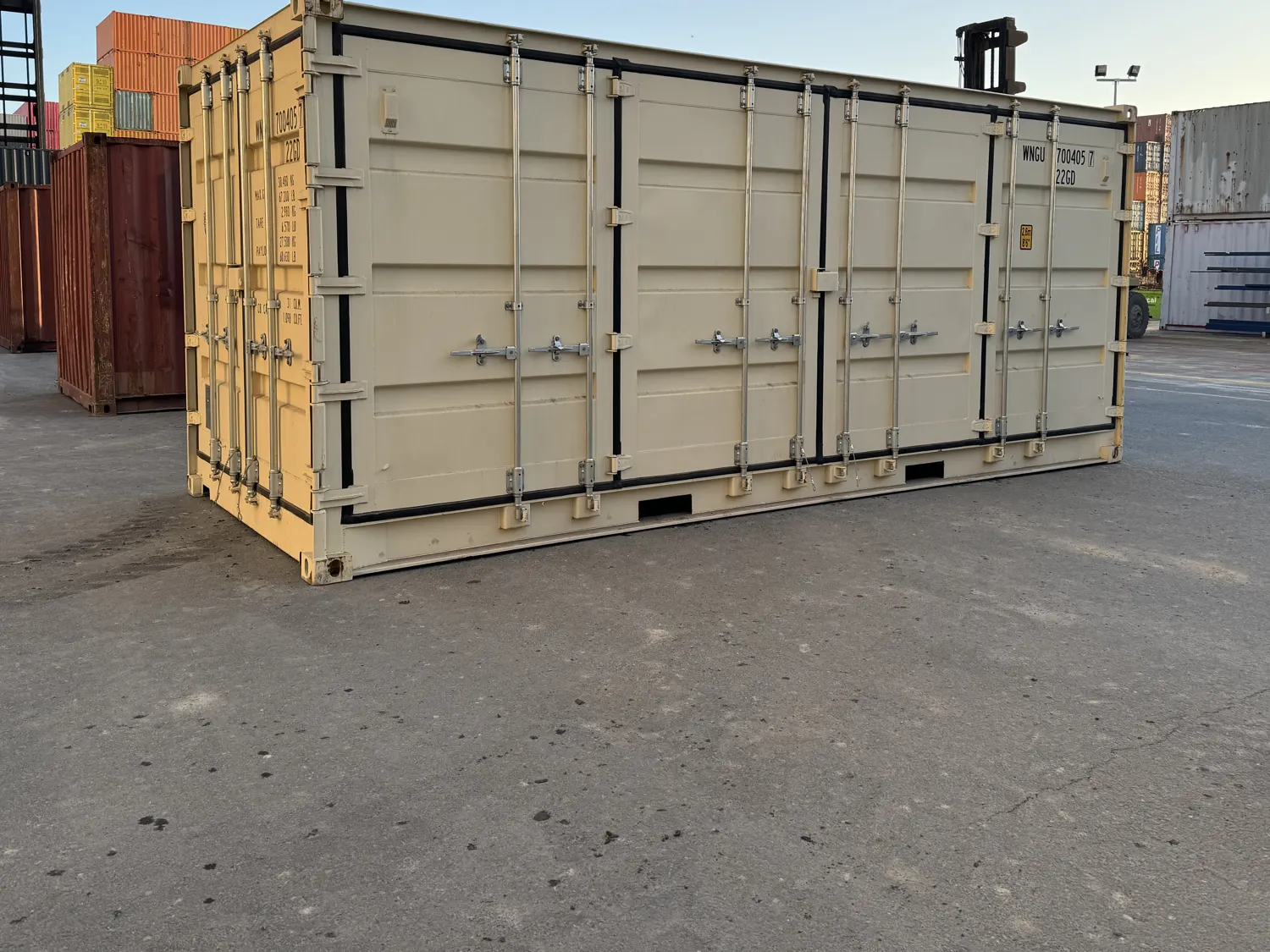
Brisbane, up close
Brisbane is where most of our phone calls come from, and it is also where access varies the most. A container going to an acreage block at Brookfield and one going into a Paddington side street are the same steel box, but they are completely different deliveries. This page is about the Brisbane side of things: who buys and hires here, what your street and driveway mean for the truck, and how to pick the right size before you ring.
Who uses containers in Brisbane
The biggest single group is renovators. A lot of Brisbane's older housing stock is timber Queenslanders and post-war workers' cottages on stumps, and a common renovation is to lift the house and build in underneath. While that happens, everything that lived under the house, and often half of what lived in it, needs somewhere dry and lockable to sit. A 20ft on the lawn or driveway keeps it all on site, where you can get to it.
The second group is trades. Builders, plumbers, electricians and landscapers working on inner-city jobs use a container as a site lockup for tools and materials, because a ute tray is not secure overnight and a job box only holds so much. On bigger builds a 20ft or 40ft often sits beside the site office for the length of the project.
Then there are businesses. Around the industrial pockets at Rocklea, Salisbury, Northgate, Eagle Farm and Geebung, containers are used for overflow stock, archive boxes, seasonal lines and spare parts.
Brisbane streets, driveways and the truck
Most Brisbane deliveries are done with a tilt-tray, which slides the container off the back of the truck. It needs roughly 3.5 metres of width and a decent straight run to back in. In newer suburbs like North Lakes, Springfield Lakes or the estates around Rochedale, that is usually easy. In the inner ring it takes more thought.
Hilly suburbs such as Paddington, Red Hill, Bardon, The Gap and parts of Holland Park have steep streets and steep driveways. A container can go onto a sloping block, but the set-down spot needs to be reasonably level and firm, and the truck needs somewhere to stand while it tilts. Narrow streets lined with parked cars on both sides can also be the difference between a tilt-tray and a crane truck. Photos of the spot sort this out up front.
If there is no room on your property and the container has to go on the footpath or the road, that is a council matter. Brisbane City Council has rules about placing containers and skip bins on public land, so check what applies to your street before you book.
Picking a size for a Brisbane job
- 10ft — tight inner-city blocks, townhouse garages and archive storage
- 20ft — house lifts, renovations and household moves; fits a typical three-bedroom home if packed well
- 40ft — warehouse overflow, large builds and acreage with room for a sidelifter
- High cube — home workshops and trade stores with standing room
- Dangerous goods — pool chemicals, fuel for small plant, paints and solvents
Brisbane weather and what it means for storage
Brisbane summers are hot and humid with afternoon storms, and that combination produces condensation inside any steel box that heats up during the day and cools down at night. Cargo-worthy and new containers keep the rain out, but moisture that is already inside, in damp furniture, cardboard or clothing, has nowhere to go. Leave furniture to dry before it goes in, use pallets or timber bearers on the floor, and consider moisture absorbers if you are storing through the wet months. Our packing guide has more.
Placement matters too. Set the container on level ground with sleepers or blocks under the corners so it sits off the soil and water can run underneath. Avoid the lowest corner of the yard where stormwater collects.
Hire or buy in Brisbane
For a renovation with a clear end date, hire usually makes sense: you pay by the week, and when the builder hands over the keys the container goes back. For a trade business, a growing household or a warehouse that is always short of space, buying tends to win within a couple of years, and a well-bought used container holds its resale value well. We quote both ways on the same call so you can see the numbers side by side.
Every Brisbane quote includes the freight to your address as one figure. The delivery day depends on which depot holds the right unit and how the trucks are running, and we confirm it with you once the order is placed.
Suburbs and towns we deliver to around Brisbane
Chermside · Aspley · Carseldine · Nundah · Stafford · Ashgrove · The Gap · Kenmore · Indooroopilly · Sherwood · Rocklea · Salisbury · Mount Gravatt · Sunnybank · Carindale · Wynnum · Manly · Wakerley · Capalaba · Victoria Point — and anywhere in between. If your address isn't listed, ring and ask.