Wind: doors, position and safety
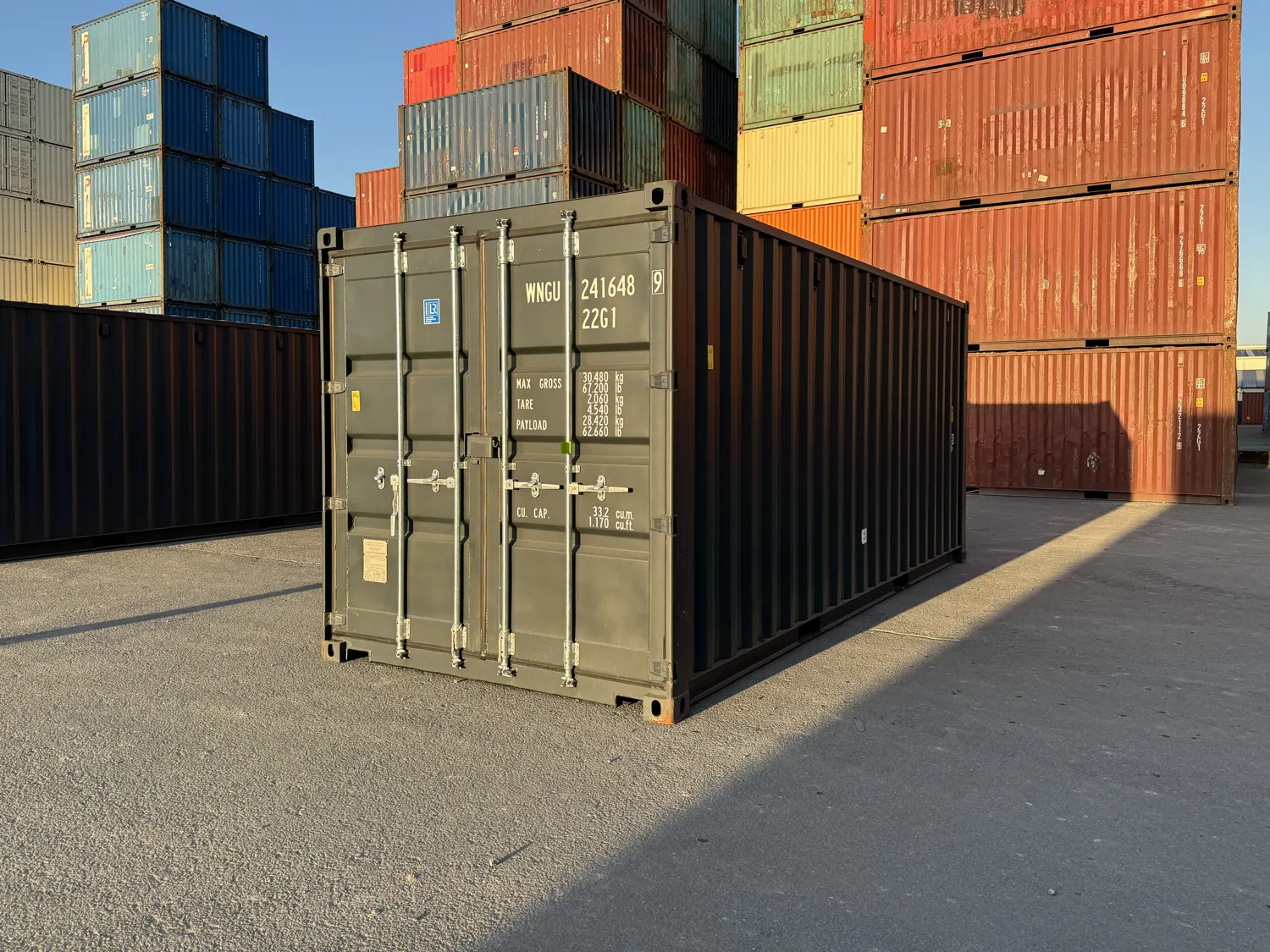
The first rule for a Geraldton container is to respect the wind. Container doors are big, heavy sheets of steel, and a strong gust can swing an unlatched door with real force. Always latch the doors fully open with a tie or hook, or fully closed. Never leave them swinging, and keep kids clear of them on windy days.
Position the container so the doors face away from the prevailing southerly. That keeps sand and salt out of the seals and makes the box far easier to open. If you can, shelter it behind the house, a shed or a windbreak. A container that sits in the lee of something collects less sand on the roof and weathers more slowly.
Sand and salt: looking after the paint
Wind-driven sand acts like fine sandpaper on paint. Over time, the exposed face of a container can dull and thin, and once the paint wears through, the salt in the air starts rust quickly. Inspect the windward side and the roof regularly, and touch up any worn spots before they turn to rust. A freshwater rinse every few months washes salt off the steel.
Sweep sand off the roof, especially in the dips of the corrugations, and keep it from building up against the base. Sand banked against the bottom rail holds moisture and salt against the steel. Clean the door seals regularly so grit doesn't wear them out or stop them sealing.
Heat and sun in the Mid West
Geraldton summers are hot and bright, and inland at places like Mullewa or out on the farms it's hotter still. A container in full sun gets hot inside, so heat-sensitive goods need care. A lighter colour helps reflect heat, vents let hot air out, and a shade structure — built to handle the wind — makes a big difference.
If you'll work inside the container, a high cube adds headroom for hot air to rise above you. Keep electronics, paint, candles and plastics low and away from the sunny wall.
Farms, fishing and trade storage
The Mid West is grain country, and around Chapman Valley, Greenough, Walkaway and further out, containers are used for seed, fertiliser, spare parts and tools. The western rock lobster industry and other fishing businesses based around the harbour need secure storage for pots, ropes and gear. Trades and small businesses in Geraldton's light industrial areas use them as tool stores and stock rooms.
For chemicals and fuel, a purpose-built dangerous goods container is the right choice. For bulk storage on a farm, a 40ft gives plenty of room if there's space for the truck.
Kite gear, boats and salty kit
With the wind comes the water sports. Kiteboards, sails, harnesses, wetsuits, surf skis and fishing gear all come home salty and damp, and they're often put straight into storage. Rinse everything with fresh water and let it dry fully in the sun — which in Geraldton rarely takes long — before it goes in. Hang soft gear from hooks rather than bundling it, so air can get around it.
Salty gear packed away wet will raise the humidity inside a closed box and start rust on anything metal nearby, including the container's own floor bearers. A couple of vents and pallets make a big difference.
Picking the right grade
If you're storing things that need to stay dry, choose a cargo-worthy used container or a new single-trip unit — the grades we sell as wind and watertight. As-is containers aren't sold watertight and suit rougher storage only. Ask for photos of the actual container before delivery if you want to check the condition.
On rural sites, choose firm, level ground for the drop spot, and put pads or sleepers under each corner. Sandy soil can shift, so a solid base keeps the container level and the doors closing properly.
Delivery to Geraldton addresses
A tilt-tray handles most 10ft and 20ft drops and needs a firm, straight approach with room overhead. On tighter blocks or where the container needs to go over a fence, a side-loader or crane truck may be needed. A 40ft needs a lot more space. Tell us about the access, and we'll confirm the delivery date when you place the order. The City of Greater Geraldton has rules about containers, so check with them first.