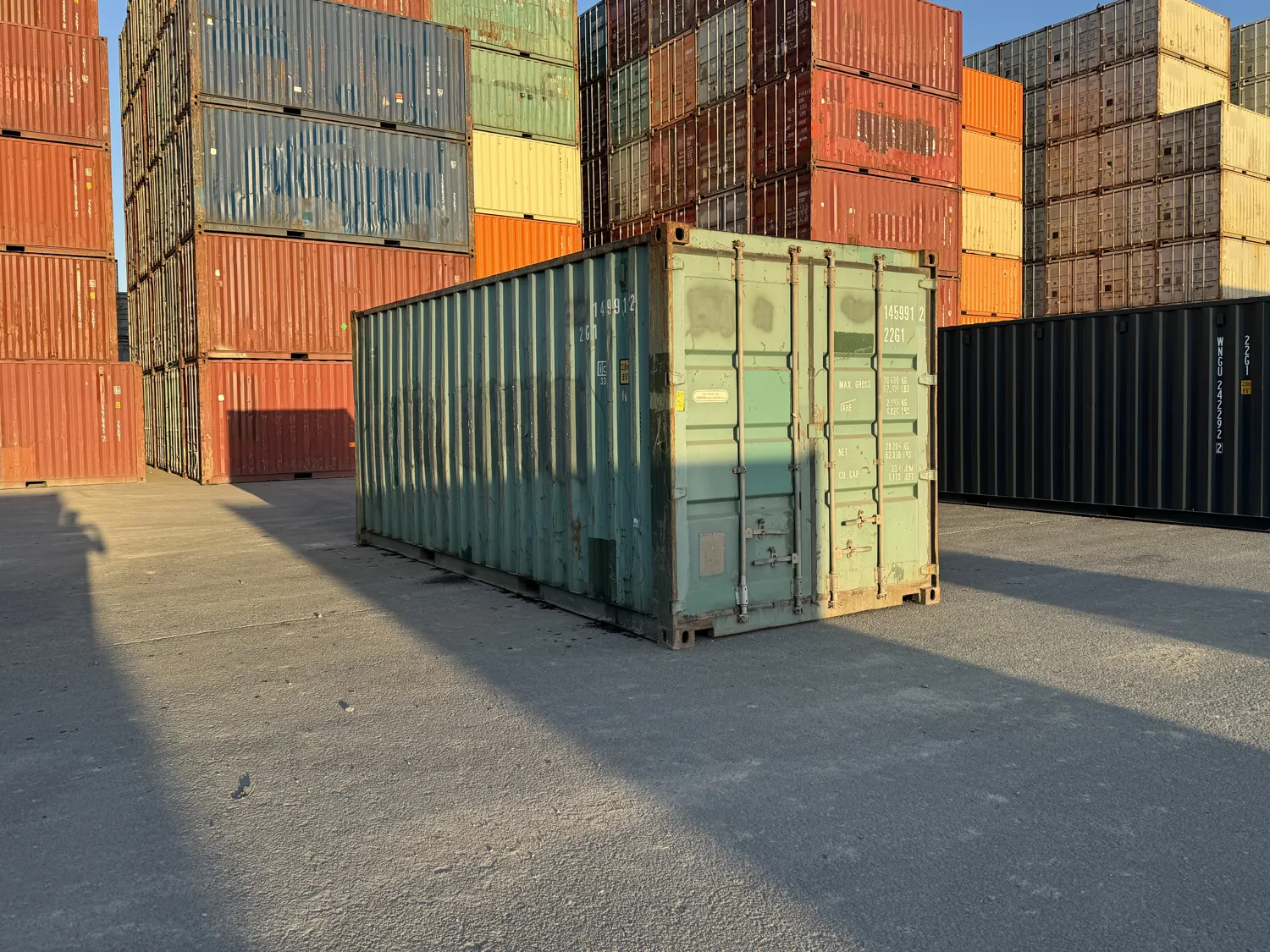
Tracks, gates and the wet
The first question on any rural delivery is the ground between the road and the drop spot. Gravel and laterite driveways carry a loaded truck well when they're dry. After heavy rain, the same track can rut, and a low crossing or table drain can be impassable for a heavy vehicle. If your access gets soft, pick a drop spot you know stays firm and plan the delivery for when the ground has dried out. We'll confirm a date once the order is in.
Look at the width of the gate and anything overhead: power lines running to a shed or bore, and mango or African mahogany branches spreading over the driveway. A tilt-tray needs clear air above to raise the tray. A 40ft needs a lot more room to manoeuvre than a 20ft, and a side-loader or crane truck is sometimes the better tool on a block with awkward access.
Choosing the spot on acreage
On a big block it's tempting to put the container out of sight at the back fence. Think about how you'll use it instead. Near the shed or the house paddock is handier for daily gear, and it keeps the box where you'll notice a problem. Choose high, firm ground that sheds water, sit the corners on solid pads or sleepers, and keep the doors on the side away from the worst of the wet-season weather.
Watch where the sprinklers and bore overflow land. Irrigation water hitting the same wall day after day, especially bore water, strips paint and starts rust much faster than rain. Keep grass slashed around the container so air moves underneath, the base dries between storms and you can see what's going on around the bottom rails.
Mowers, quads, pumps and fuel
Machinery keeps better in a container if it goes in clean and dry. Hose the mud off, let it dry in the sun, and don't park a wet quad in a closed box through the build-up. Batteries for mowers, generators and quads should be taken out or kept on a maintainer, and tyres kept off bare steel where you can.
Fuel is the thing to separate. Jerry cans, drums of diesel, two-stroke and chemicals belong in a purpose-built dangerous goods container with ventilation and a sump floor, not in the same box as your tools and household goods.
Mango season and the build-up
Mango harvest around the rural area lands in the build-up, the most humid stretch of the year. Cardboard cartons, packing materials and labels soak up moisture from the air, and a stack stored in a closed, unventilated container can go soft before it's needed. Keep cartons off the floor on pallets, leave space around the stacks and give the container good cross-ventilation.
The same applies to fertilisers, seed and anything in paper sacks. For larger horticultural blocks, a 40ft or a high cube gives room to stack properly with air around the load.
Horse feed, tack and pest-proofing
Horse and livestock properties around Howard Springs and Berry Springs use containers for feed, saddles and gear. Feed in bags attracts rodents, and humidity turns it quickly. Store it in sealed bins, not open bags. Leather tack should be clean, lightly oiled and hung rather than piled, with a moisture absorber nearby.
A well-sealed container with doors that close evenly keeps most pests out, so check the seals each year and replace any that have perished. A level container is the key: out of square, the doors won't meet the seals properly.
Tie-downs, low ground and the council
The whole rural area is in a cyclone region. Whether a container needs tie-downs, and what sort, depends on its size, position and how long it stays — check with Litchfield Council (or Coomalie Community Government Council around Batchelor) and a building certifier or engineer. We don't promise how any container will cope in a storm.
Some blocks near the floodplains and creek lines sit low. A container keeps rain out from above, but rising water gets in at the door seals, and an empty container can float. Put it on your highest firm ground and don't count on it to protect anything from floodwater.
Which grade for rural storage
For feed, tack, household goods or anything that has to stay dry, buy a cargo-worthy used container or a new single-trip unit — the grades we sell as wind and watertight. An as-is container isn't sold watertight, but it can make a fine home for fencing materials, star pickets, old tyres and scrap steel. Our grades explained article sets out the differences.